• /home
  • Books
  • Courses
    • Free Courses
    • Paid Courses
  • Shop
  • Forums
  • Consulting
  • About
    • About LearnLinuxTV
    • Content Ethics
  • YouTube
  • LinkedIn
  • GitHub
  • Patreon

All Content

⇨

see all

  • Linux Crash Course – nano (command-line text editor)

    When you’re working with Linux servers, you may or may not always have access to a GUI, which is why it’s important to learn at least one command-line text editor. In this video, we’ll explore the core fundamentals of nano. nano is a text editor that’s among the easiest to learn.

    YouTube player

    ⇨

    Read more: Linux Crash Course – nano (command-line text editor)
  • Proxmox VE Full Course: Class 12 – The Command-Line Interface

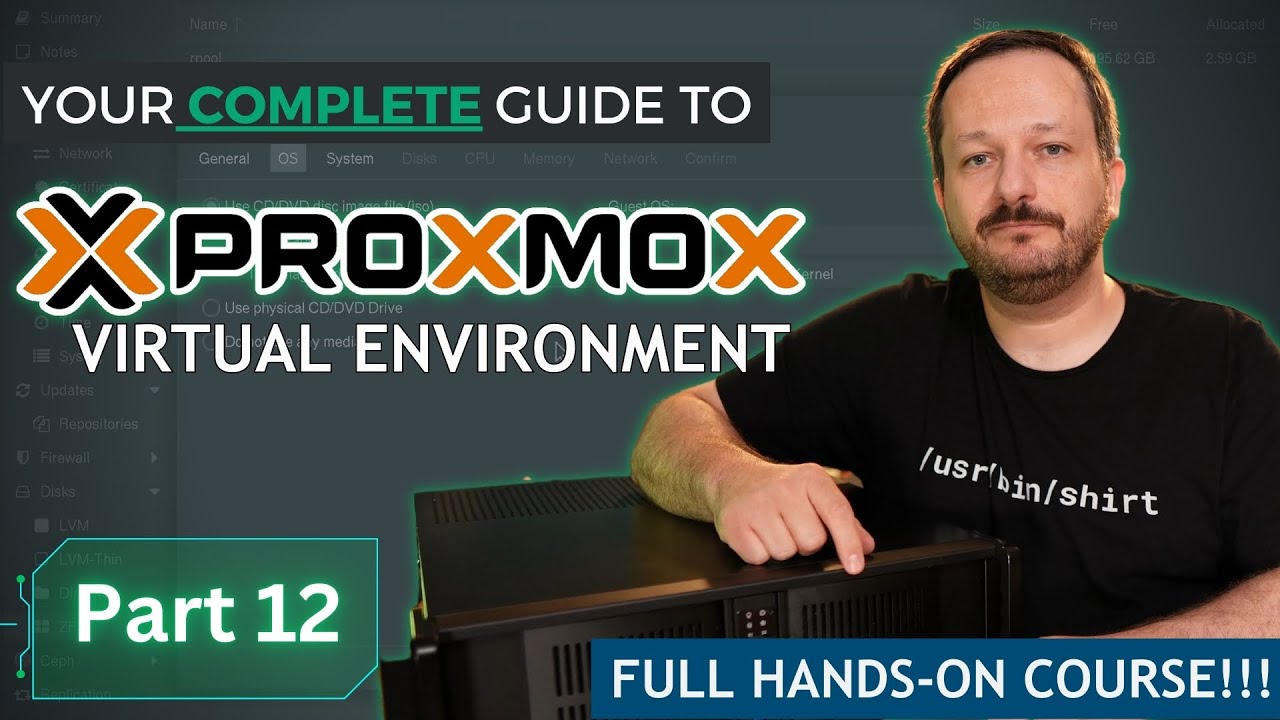
    LearnLinuxTV’s Proxmox full course aims to get you up to speed with all the finer points of Proxmox Virtual Environment. In video #12, we take a look at the Command-Line interface. The basics of both the qm and pct commands are covered, so by the end of the video you’ll be able to manage your cluster with or without a user interface.

    YouTube player

    ⇨

    Read more: Proxmox VE Full Course: Class 12 – The Command-Line Interface
  • Linux Crash Course – Bash Aliases

    Aliases in Bash enable you to essentially create your own commands, or even just simplify existing ones. In this video, I’ll explain what aliases are, and I’ll show you some of my personal favorites. At the end, I’ll show you how to make your aliases persist between sessions.

    YouTube player
    (more…)

    ⇨

    Read more: Linux Crash Course – Bash Aliases
  • Linux Crash Course – Cron

    As Linux server administrators, we need to be able to schedule tasks to run at some point in the future. Perhaps as a one-off command, or a job that’s expected to repeat on some sort of schedule. And that’s exactly what Cron helps us to do – by setting up a Crontab, we can schedule tasks to run at some point in the future.

    YouTube player

    ⇨

    Read more: Linux Crash Course – Cron
  • Linux Crash Course – The sed Command

    In this episode of Linux Essentials, we explore the sed command. sed, aka the “stream editor” is an underused command, and that’s a shame because it’s extremely useful for manipulating text. In this video, I’ll show you the basics of the sed command.

    YouTube player

    ⇨

    Read more: Linux Crash Course – The sed Command
  • Getting Started with tmux Part 4 – Creating and Switching Between Sessions

    Welcome to my brand-new refreshed tmux series! tmux enables to to greatly enhance your terminal workflow and efficiency. In the fourth video, we explore sessions – which allow you to divide multiple projects into their own independent tmux process.

    YouTube player

    ⇨

    Read more: Getting Started with tmux Part 4 – Creating and Switching Between Sessions
  • Linux Commands for Beginners 13 – Viewing Logs

    In my Linux Commands for Beginners series, we’ll explore everything you need to know in order to be productive on the Linux Command Line. You’ll learn basic commands, input/output redirection, package management, resource monitoring, troubleshooting, and more. This video serves as an introduction to viewing logs.

    YouTube player

    ⇨

    Read more: Linux Commands for Beginners 13 – Viewing Logs
  • Linux Commands for Beginners 24 – Transferring Files with rsync

    In my Linux Commands for Beginners series, we’ll explore everything you need to know in order to be productive on the Linux Command Line. You’ll learn basic commands, input/output redirection, package management, resource monitoring, troubleshooting, and more. In our last video, we’ll explore rsync, which is an extremely versatile utility for transferring files from place to place or system to system.

    YouTube player

    ⇨

    Read more: Linux Commands for Beginners 24 – Transferring Files with rsync
  • Linux Commands for Beginners 22 – Remote Management with OpenSSH

    The Linux Commands for Beginners series shows you all the commands you’ll need to know to boost your CLI skillset. In this particular video, I show off the benefits of remote management with OpenSSH, a very popular method of remote connection for issuing commands from a remote terninal.

    YouTube player

    ⇨

    Read more: Linux Commands for Beginners 22 – Remote Management with OpenSSH
  • Linux commands for Beginners 20 – Package Management on Fedora and CentOS (dnf and yum)

    In my Linux Commands for Beginners series, we’ll explore everything you need to know in order to be productive on the Linux Command Line. You’ll learn basic commands, input/output redirection, package management, resource monitoring, troubleshooting, and more. In this video, we’ll take another look at package management, this time with the dnf command (Fedora) and the yum command (CentOS).

    YouTube player

    ⇨

    Read more: Linux commands for Beginners 20 – Package Management on Fedora and CentOS (dnf and yum)
Previous Page
1 2 3
Next Page
  • YouTube

YOUTUBE

  • Twitter

twitter

  • LinkedIn

LINKEDIN

Copyright 2024 Learn Linux TV, all rights reserved.

All content on this channel adheres to the company’s content ethics guidelines.